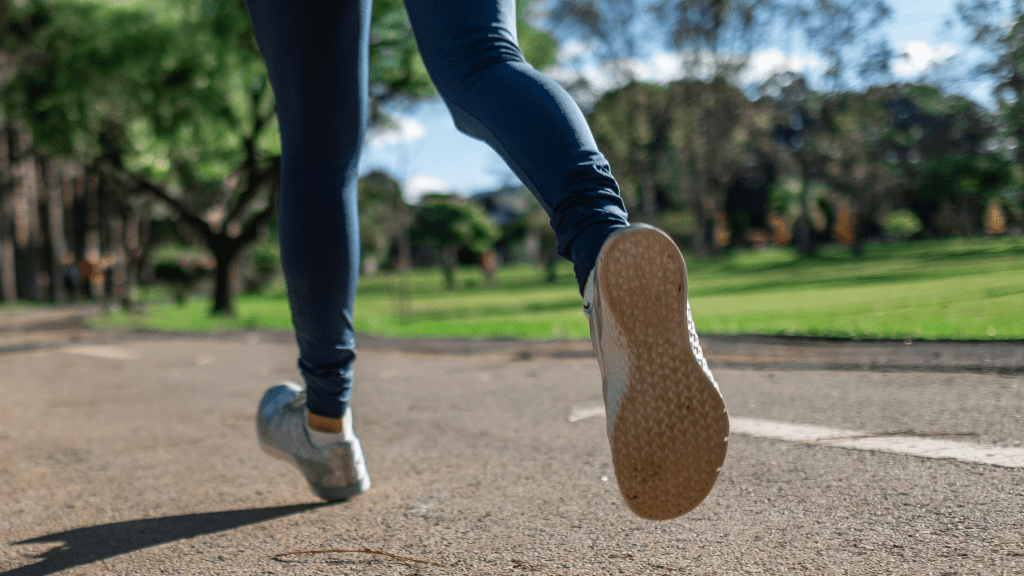
Whether you’re pounding the pavement or hitting the trails, running is a phenomenal way to boost your cardiovascular health, build endurance, and clear your mind. But as every seasoned runner knows, this high-impact exercise can also lead to stiffness and muscle soreness. That’s where yoga comes in! Integrating yoga into your running routine can improve flexibility, enhance joint health, and even prevent injuries. Ready to hit the reset button on those tight muscles? Let’s dive into the five best yoga stretches for runners!
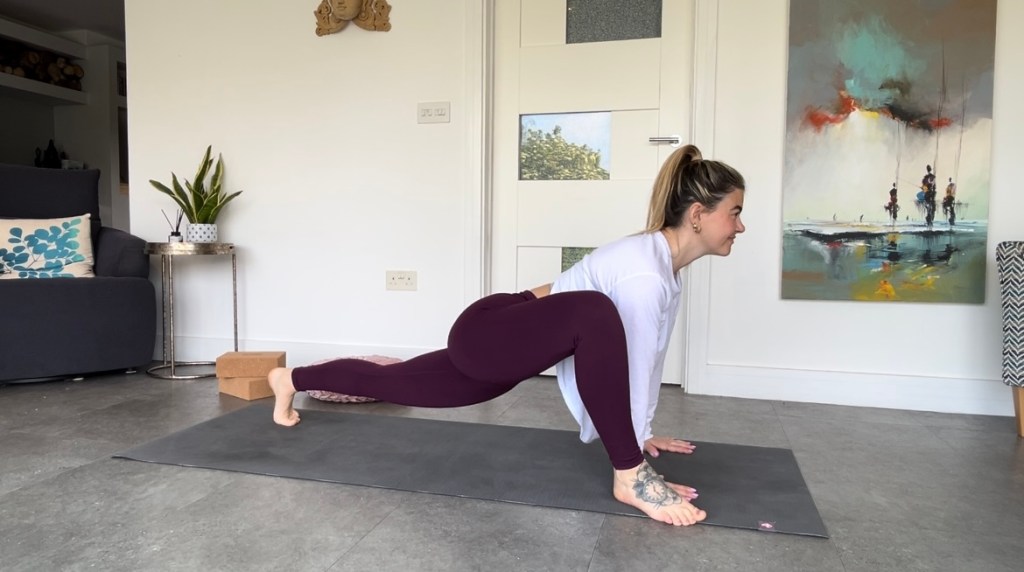
1. Low Lunge (Anjaneyasana)
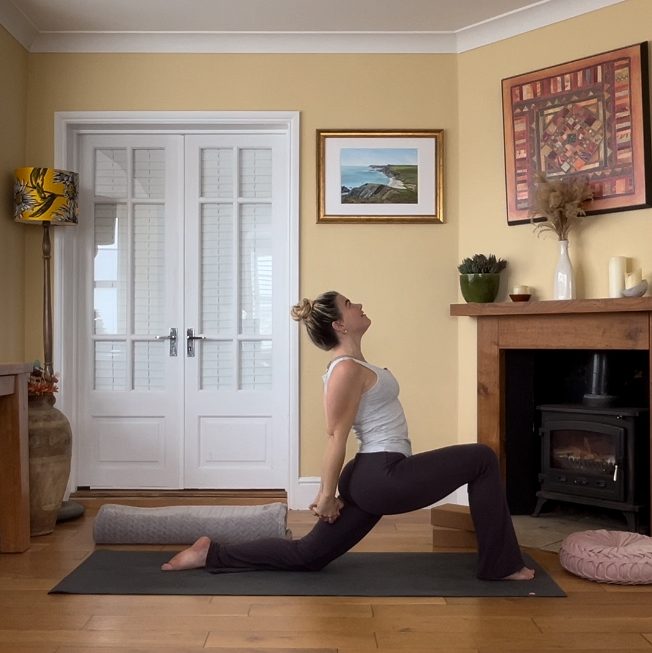
Low Lunge is a fundamental yoga stretch that targets the hip flexors, quads, and groin—areas that often tighten up during long runs. This pose helps enhance flexibility and range of motion, making each stride more efficient and less taxing.
How to Do It:
- Start in a plank position.
- Step your right foot forward between your hands, keeping your right knee directly over your ankle.
- Lower your left knee to the ground and slide it back until you feel a comfortable stretch in your left hip and thigh.
- Inhale as you lift your arms overhead, keeping your back neutral and core engaged.
- Hold for several breaths, then switch sides.
Modifications: If you feel too much strain, place your hands on your knee instead of raising them overhead or use yoga blocks on either side of your front foot for support.
Advancements: To deepen the stretch, arch your back slightly and push your hips forward. You can also lift your back knee off the ground to transition into a High Lunge for more intensity.
Muscles Stretched: Hip flexors, quadriceps, and groin.
2. Half Split (Ardha Hanumanasana)
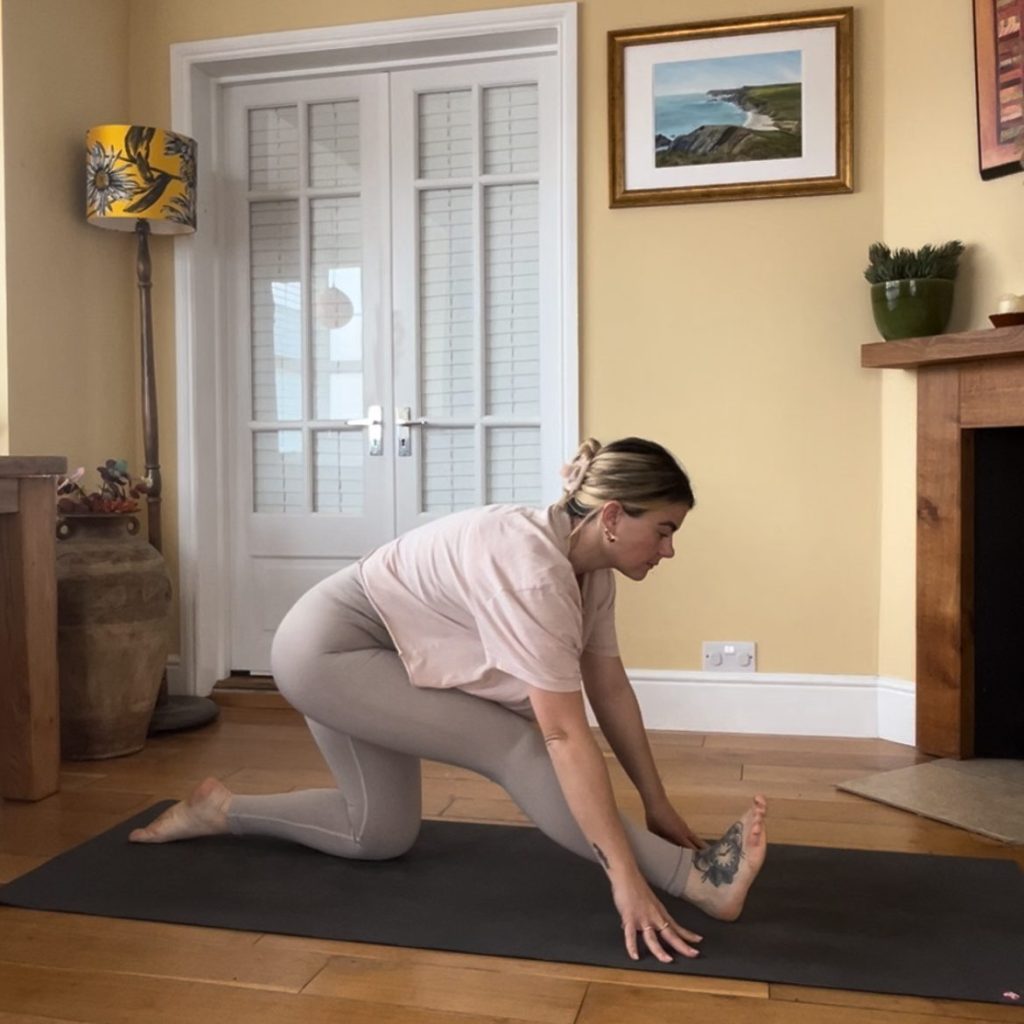
Half Split Pose is a superb addition to any runner’s stretching routine, particularly for those looking to ease tightness in the hamstrings and calves. By focusing on these key areas, runners can enhance their flexibility, promote better circulation, and help prevent common injuries like hamstring strains.
How to Do It:
- Begin in a Low Lunge with your right foot forward.
- Straighten your front leg and shift your weight back onto your left knee, extending your right leg out in front with the heel on the floor and toes pointing up.
- Inhale to lengthen your spine, and as you exhale, hinge at the hips to fold over your extended right leg, deepening the stretch.
- Keep your hands on either side of your right leg for balance or place them on blocks for extra support.
- Hold for several breaths, focusing on a gradual increase in stretch with each exhale, then switch to the other side.
Modifications: If the stretch feels too intense, slightly bend the extended leg, or use yoga blocks under your hands to maintain alignment and reduce strain.
Advancements: For a deeper stretch, try flexing the foot of your extended leg to intensify the focus on your calf and hamstring. You can also reach your hands towards your foot, deepening the fold and the stretch.
Muscles Stretched: Primarily targets the hamstrings and calves, but also stretches the lower back and helps improve overall flexibility in the posterior chain.
3. Pyramid Pose (Parsvottanasana)
Description & Benefits: Pyramid Pose is exceptional for stretching the hamstrings and improving muscle balance. This pose helps in reducing tension in the back and legs, which can promote faster recovery between runs.
How to Do It:
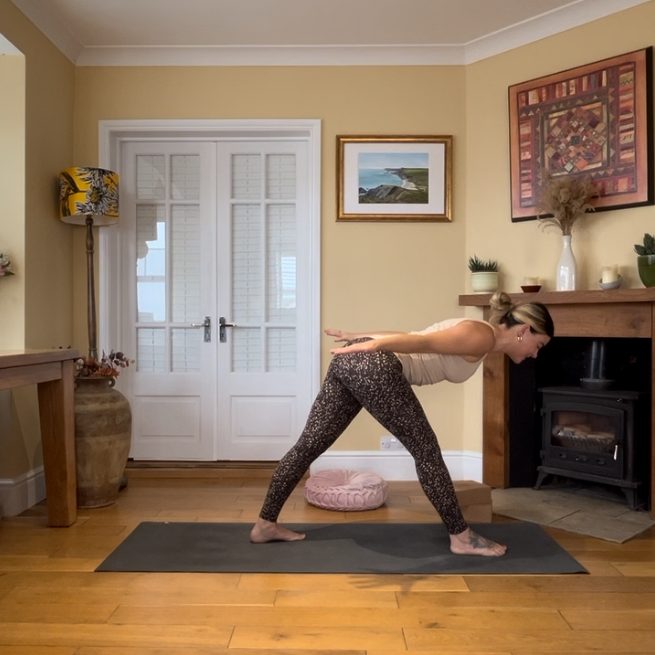
- Begin in a standing position. Step your left foot back about 3 to 4 feet, positioning both feet flat on the ground with toes pointing forward.
- Square your hips toward the front.
- Inhale to lengthen your spine, and as you exhale, fold over your right leg, keeping your back flat.
- Reach your hands to the ground or your ankle, depending on your flexibility.
- Hold for a few breaths, then switch sides.
Modifications: If reaching the ground is difficult, use yoga blocks under each hand for support.
Advancements: Try grabbing the big toe of your front foot with your fingers to deepen the stretch and challenge your balance.
Muscles Stretched: Hamstrings, calves, and lower back.
4. Wide Leg Forward Fold (Prasarita Padottanasana)
Description & Benefits: This pose is a powerhouse for stretching the inner thighs, hamstrings, and calves, which are crucial for runners. It also helps decompress the spine and stimulates blood flow to the upper body.
How to Do It:
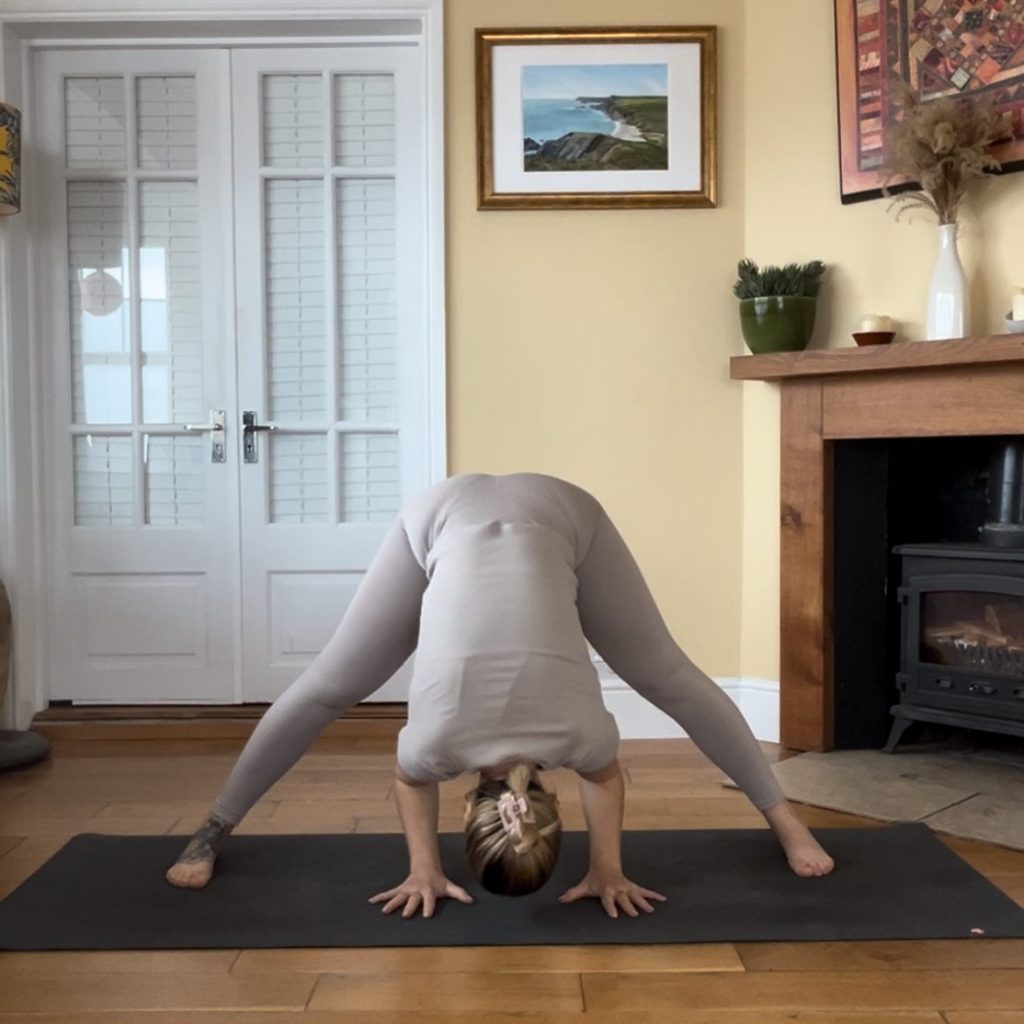
- Stand with your feet about 3-4 feet apart, hinging at the hips to fold forward.
- Place your hands on the floor beneath your shoulders, or grab your ankles to deepen the fold.
- Let your head hang freely, encouraging relaxation and release in your neck and shoulders.
Modifications: For those with tight hamstrings, bend your knees slightly to ease into the stretch without strain.
Advancements: Shift into a headstand if you’re up for a major inversion challenge, making sure to engage your core for stability.
Muscles Stretched: Inner thighs, hamstrings, calves, and spine.
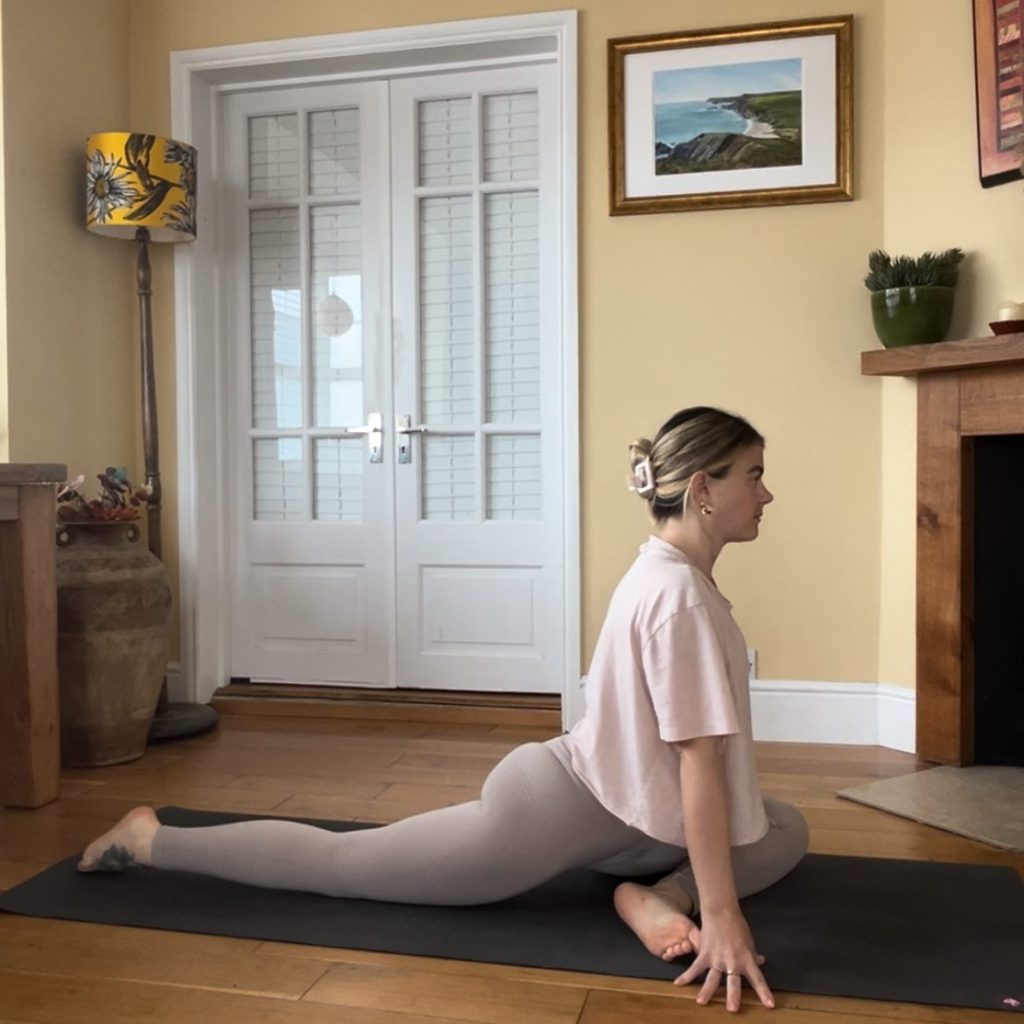
5. Pigeon Pose (Eka Pada Rajakapotasana)
Description & Benefits: Pigeon Pose is one of the best stretches for addressing tightness in the glutes and iliotibial (IT) band, common areas of discomfort for runners. It helps alleviate sciatic pain and promotes lower body mobility.
How to Do It:
- Start in a Downward-Facing Dog.
- Bring your right knee forward and place it behind your right wrist, placing your ankle near your left hip.
- Slide your left leg back, straightening the knee and pointing your toes.
- Gradually lower your torso down for a deeper hip stretch, resting your forearms and forehead on the mat.
Modifications: If the stretch is too intense, place a yoga block or folded blanket under your right buttock.
Advancements: For a deeper stretch, extend your arms forward and lower your chest towards the ground, turning the pose into Sleeping Pigeon.
Muscles Stretched: Glutes, IT band, and lower back.
Why Yoga Should Be Part of Your Running Routine
Yoga isn’t just about stretching; it’s a holistic practice that incorporates strength training, flexibility, balance, and mental focus—elements that all contribute to a runner’s performance. Incorporating yoga into your routine a few times a week can lead to improved running efficiency, reduced injury risk, and a more balanced approach to your overall health and fitness.
So, lace up your trainers and unroll that yoga mat—your running routine is about to get a whole lot smoother! By embracing these stretches and the broader benefits of yoga, you’re not just investing in better runs; you’re paving the way for a healthier, more balanced life.





Leave a Reply