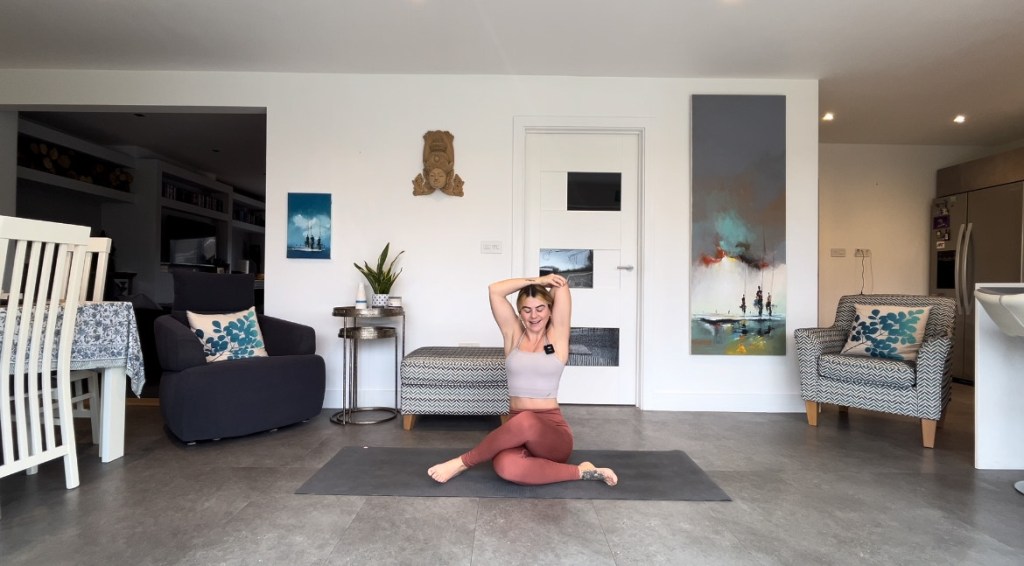
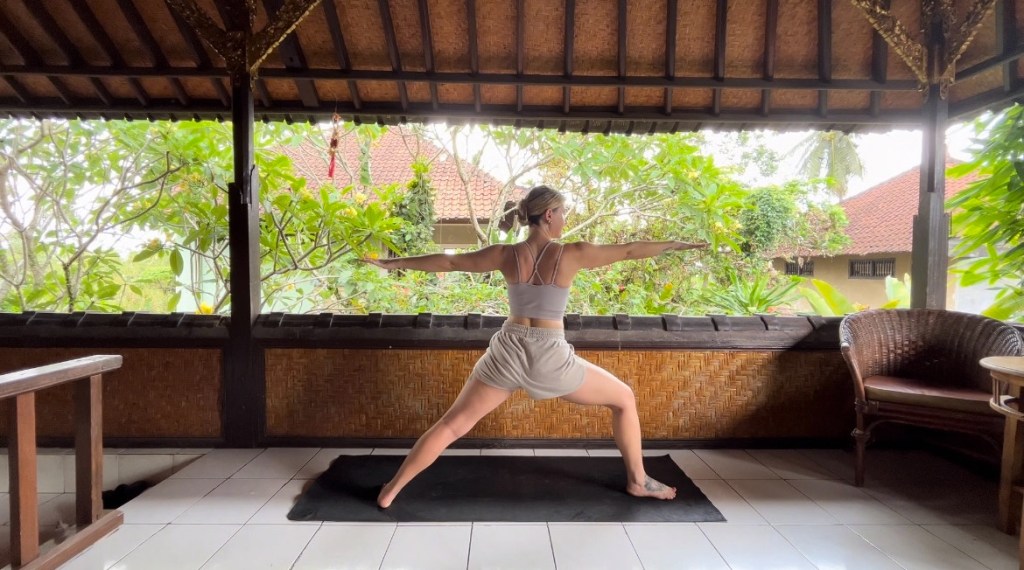
If you find yourself contemplating the enriching journey of yoga, you’re on the brink of embracing a lifestyle that has transcended time and geography.
In this guide, we’ll explore compelling reasons to start your yoga journey, highlighting the myriad physical, mental, and spiritual benefits that have made this ancient practice a global phenomenon.
Why Embark on the Yoga Journey?
- Strength and Flexibility: Yoga’s asanas, or poses, go beyond physical exercise; they are tools for building strength and toning muscles. Over time, dedicated practice enhances overall flexibility, allowing you to witness a remarkable transformation in your body.
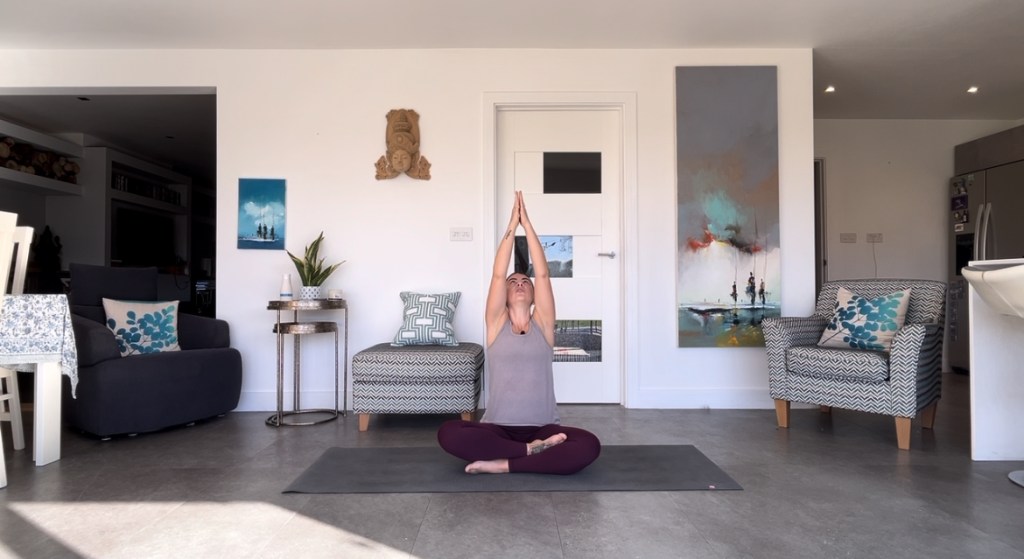
- Mental Clarity: The meditative aspects of yoga play a pivotal role in clearing the mind, improving concentration, and reducing mental clutter. As you embrace the practice, you’ll find moments of stillness and heightened awareness that contribute to mental well-being.
- Stress Reduction: Incorporating deep breathing exercises and mindfulness, yoga serves as a potent stress reducer. The practice promotes a sense of calm, helping you navigate the demands of daily life with greater resilience.
- Posture: Regular yoga practice contributes to spinal alignment, leading to improved posture and a reduction in back pain. By focusing on alignment, you cultivate awareness of your body’s natural balance.
- Presence: In a world that often feels fast-paced and distracting, yoga emphasizes mindfulness as a counterbalance. Grounding yourself in the present through the practice provides a multitude of mental, emotional, and relational benefits, enhancing overall well-being.
- Respiratory Function: Pranayama, or breath control, is a fundamental aspect of yoga that enhances lung capacity. Engaging in breath-centric practices improves respiratory function, promoting overall respiratory health.
- Emotional Balance: Yoga acts as a catalyst for emotional resilience, empowering practitioners to navigate life’s fluctuations with equanimity. The practice fosters a sense of balance and emotional well-being.
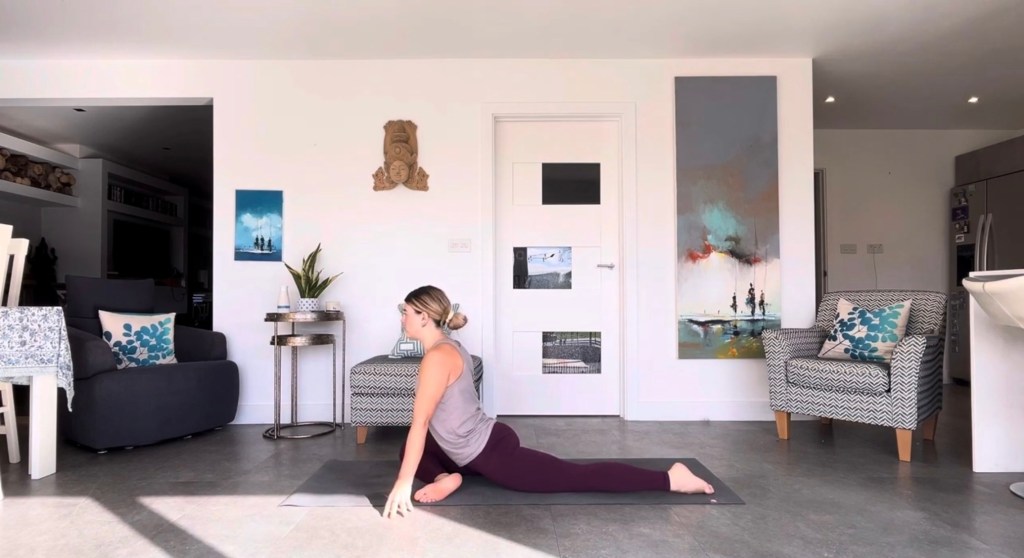
Exploring Different Yoga Styles:
Now, let’s delve into some of the well-known yoga styles, each offering a unique approach to the ancient practice.
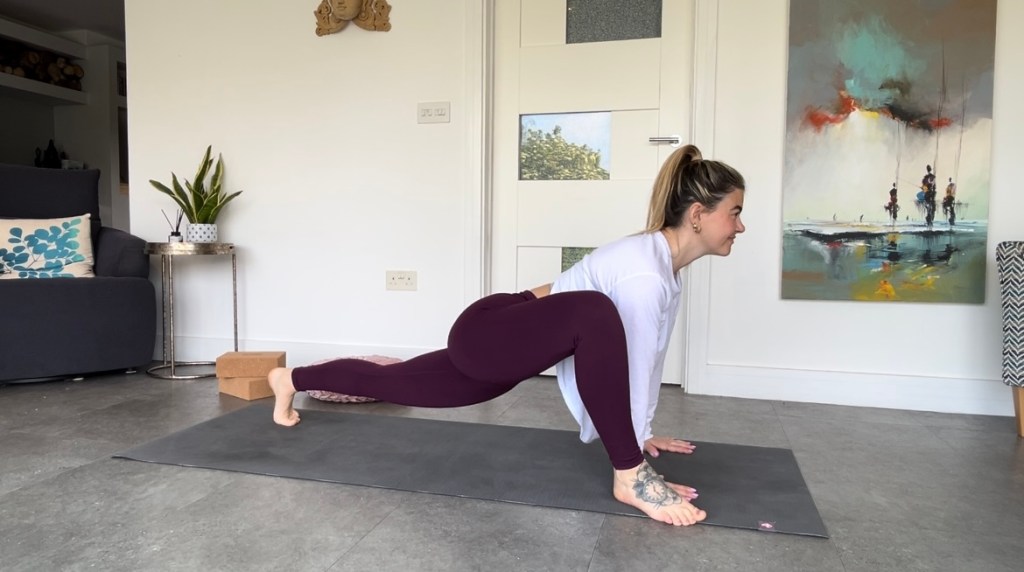
- Vinyasa Yoga: Also known as “flow yoga,” Vinyasa is characterized by fluid movements synchronized with breath. Its dynamic sequences, involving smooth transitions between poses, make it a preferred choice for those seeking a powerful and invigorating practice.
- Yin Yoga: Yin Yoga takes a slow-paced approach, with poses held for extended durations (typically 3 to 5 minutes). Targeting connective tissues, such as ligaments and tendons, this meditative style promotes flexibility and deep relaxation.
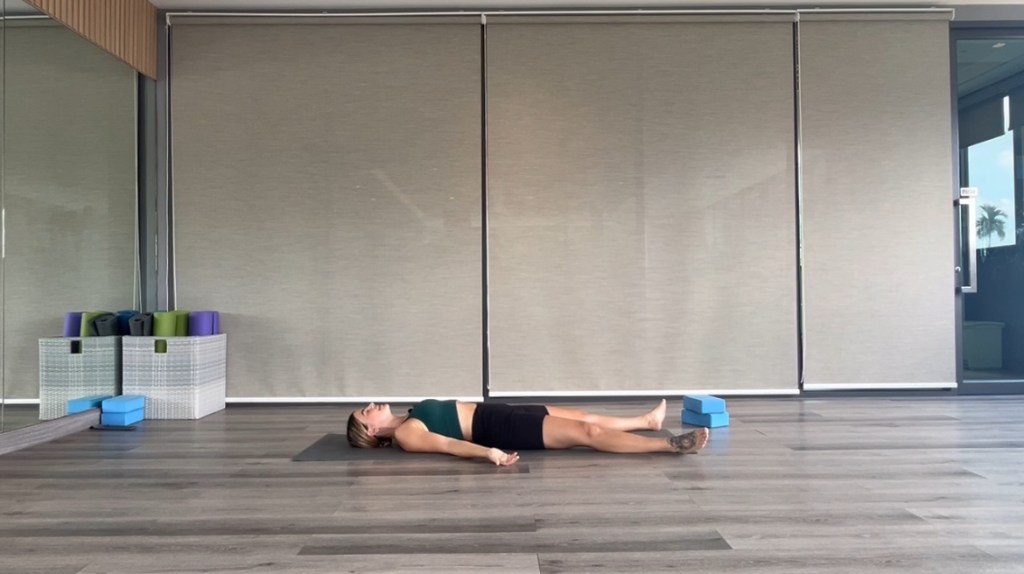
- Nidra Yoga: Often termed as “yogic sleep,” Nidra is a guided meditation inducing deep relaxation while maintaining consciousness. This practice, focusing on conscious relaxation rather than physical movement, is beneficial for stress relief, insomnia, and deepening self-awareness.
- Ashtanga Yoga: Ashtanga is a rigorous and structured style, following a specific sequence of postures with synchronized breath and movement. Divided into six series of increasing difficulty, it’s ideal for those who appreciate a disciplined and physically demanding practice.
Yoga Beyond Physical Exercise:
Yoga, in essence, is a holistic approach to well-being. Whether you seek physical strength, mental clarity, or spiritual growth, there’s a yoga style perfectly tailored for you. Embrace this ancient practice, and you’ll embark on a transformative journey toward self-discovery.
‘Yoga is the journey of the self, through the self, to the self.’
The Bhagavad Gita




 KNOW YOGA with Jess
Leave a reply to Know Yoga with Jess Cancel reply