In the world of fitness, there are two practices that shine like beacons of health and wellness, and these are of course yoga and Pilates. While we can agree both disciplines share common ground, each has a different and unique path to both the physical and mental harmony we constantly seek to achieve.
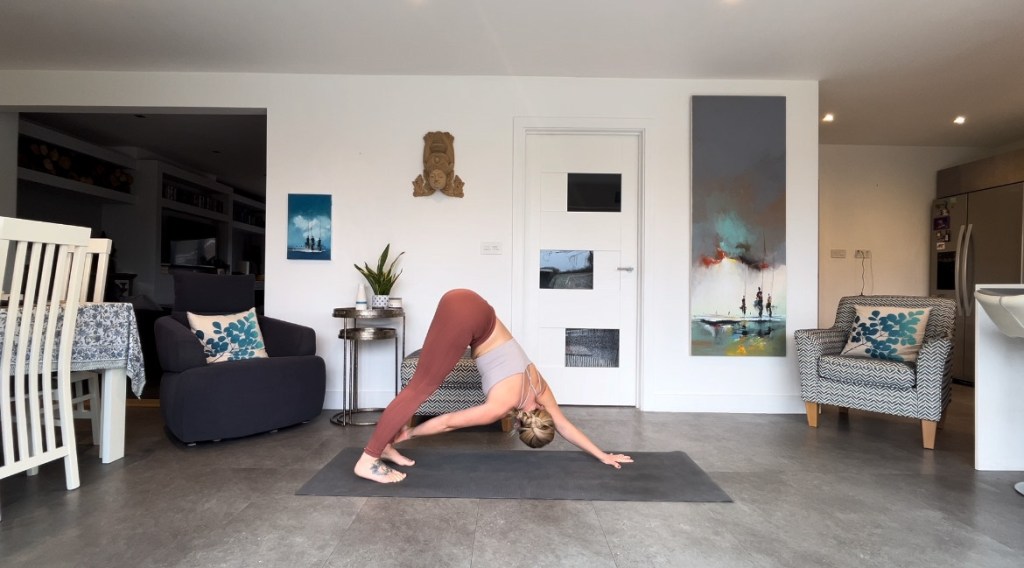
Are yoga and Pilates the same?
In this post we delve into the profound differences and subtle similarities between yoga and Pilates, unraveling the physical and mental benefits inherent to each practice. By understanding and acknowledging the distinct concepts of yoga and Pilates, we can appreciate how their fusion can step up our health and wellness game.
Yoga vs Pilates: what’s the difference?
In recent decades, yoga has been transformed in the Western world.
It’s adapted to the fast-paced lifestyle of modern life, which has led to the unfolding of various yoga styles to suit the idealism’s of Westerner’s, and what they think health and fitness should be. The integration of physical postures (asanas) and breath-work (prana), while maintaining a connection to mindfulness, has led to a perception that yoga shares similarities with Pilates—a misconception grown from the ever evolving nature of yoga practice in the contemporary fitness world. While both disciplines contribute to overall well-being, understanding the cultural context of yoga outlines the distinctive differences that set it apart from Pilates.
Yoga is ancient history, literally
Let’s talk about the foundations, the origins; where did yoga and Pilates come from?
The roots of yoga go deep into the history of Indian philosophy. Originating over 5,000 years ago, yoga takes you beyond the physical, embracing the powerful union of mind, body, and spirit. The history of yoga embraces a diverse range of practices, from the meditative to the dynamic, all aimed at nurturing a sense of balance and inner peace.
In contrast, Pilates is a relatively modern discipline, conceived by Joseph Pilates in the early 20th century. The method was initially designed to rehabilitate injured dancers, emphasizing core strength and controlled movements. Pilates has evolved into a comprehensive system that combines mat exercises with specialized equipment, creating a full body fusion of both strength and flexibility.
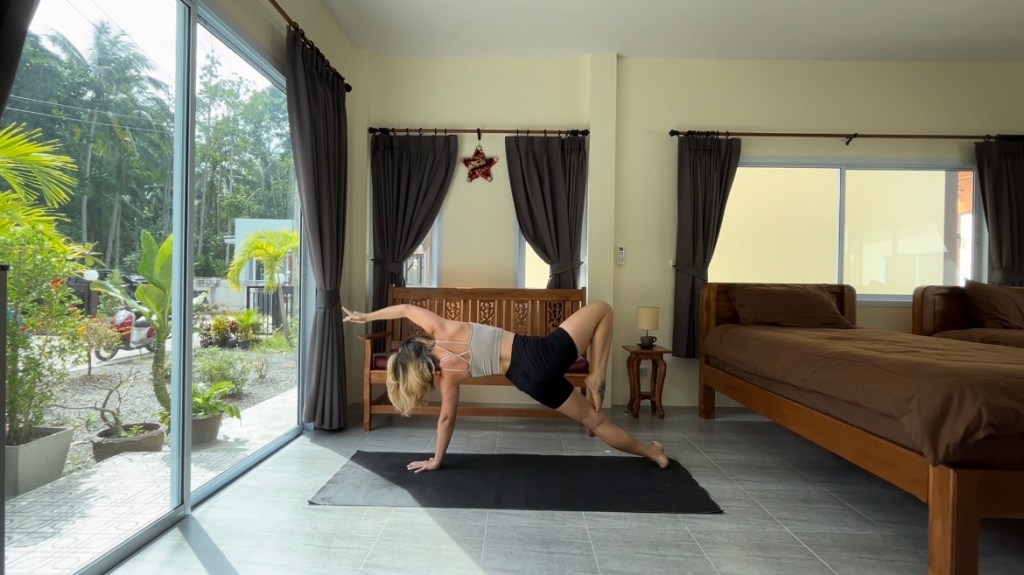
What are the physical differences between yoga and Pilates?
The physical benefits of yoga extend far beyond the mat.
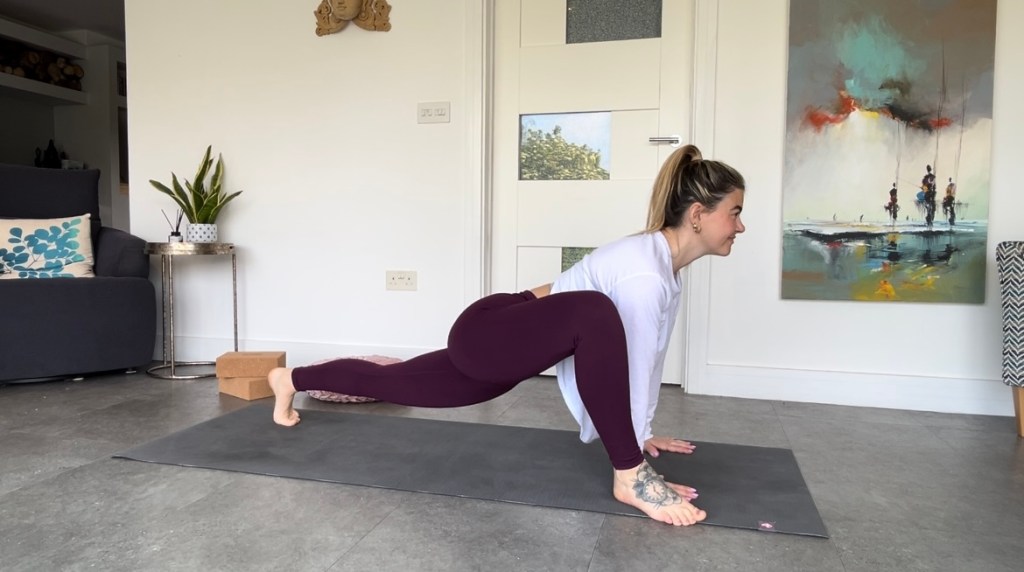
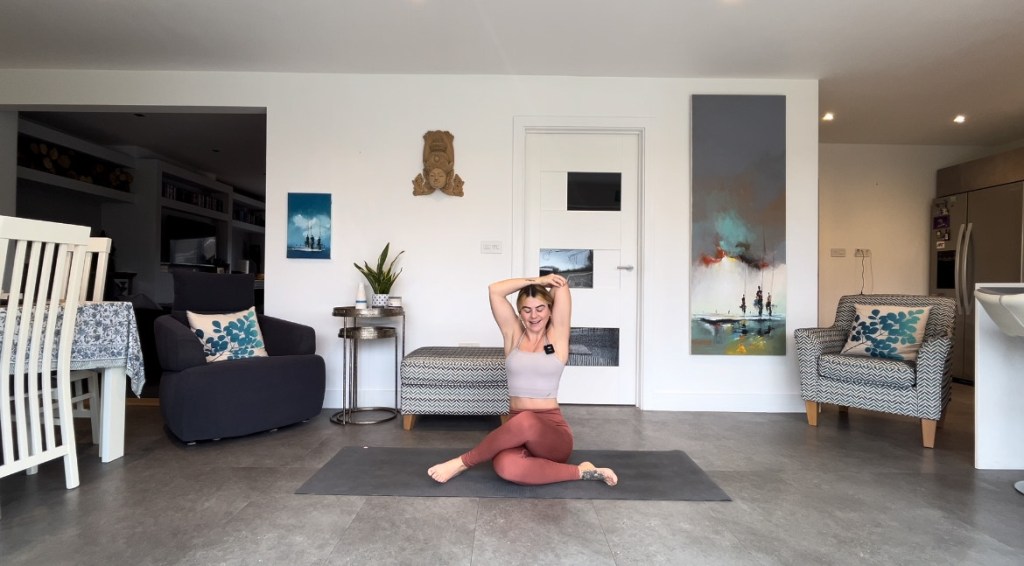
The practice enhances full body flexibility by encouraging the elongation of muscles through a multitude of asanas. Beyond flexibility, yoga builds strength through the sustained holds of various poses, promoting muscle endurance and resilience. The dynamic nature of yoga poses also challenges balance, fostering stability and coordination.
Pilates zeroes in on core strength, fundamental aspect of overall fitness. By engaging the deep muscles of the abdomen, lower back, and pelvis, Pilates develops a robust core, supporting good posture and preventing back pain. The controlled, precise movements of Pilates exercises not only tone and sculpt muscles but also promote joint health through a range of motion that prioritizes precision over intensity.
Go beyond the physical, how yoga vs Pilates influences mental health and the curation of a mind to body connection.
Beyond the postures, yoga is a gateway to mental clarity and emotional balance.
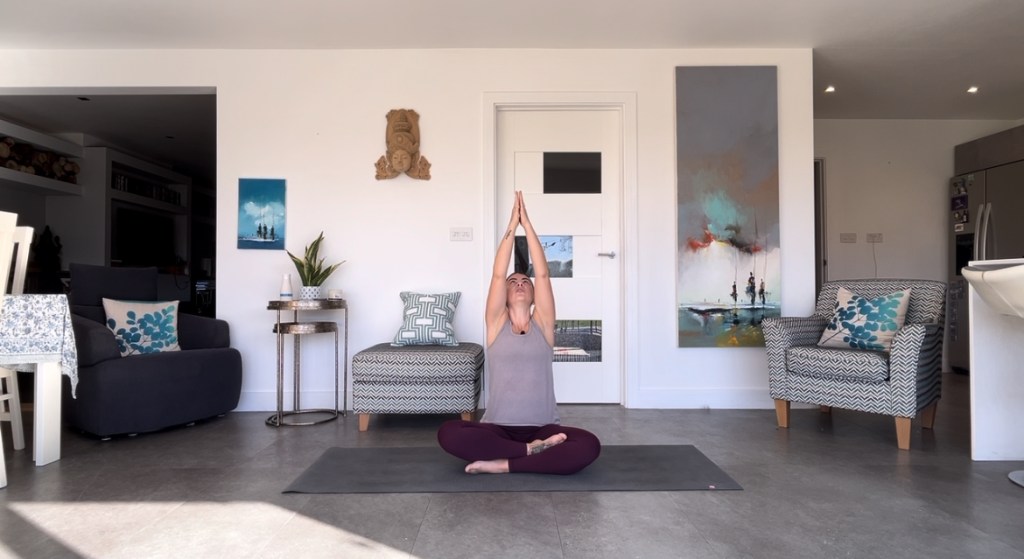
The incorporation of mindful breathing (pranayama) and meditation cultivates an awareness that extends beyond the mat. Yoga becomes a journey inward, offering stress reduction, enhanced focus, and a heightened sense of emotional well-being.
In Pilates, the mind-body connection is at the forefront. The emphasis on body awareness during exercises creates a unique synergy, curating a connection between movement and thought. This increased awareness extends to daily activities, promoting mindfulness and concentration.
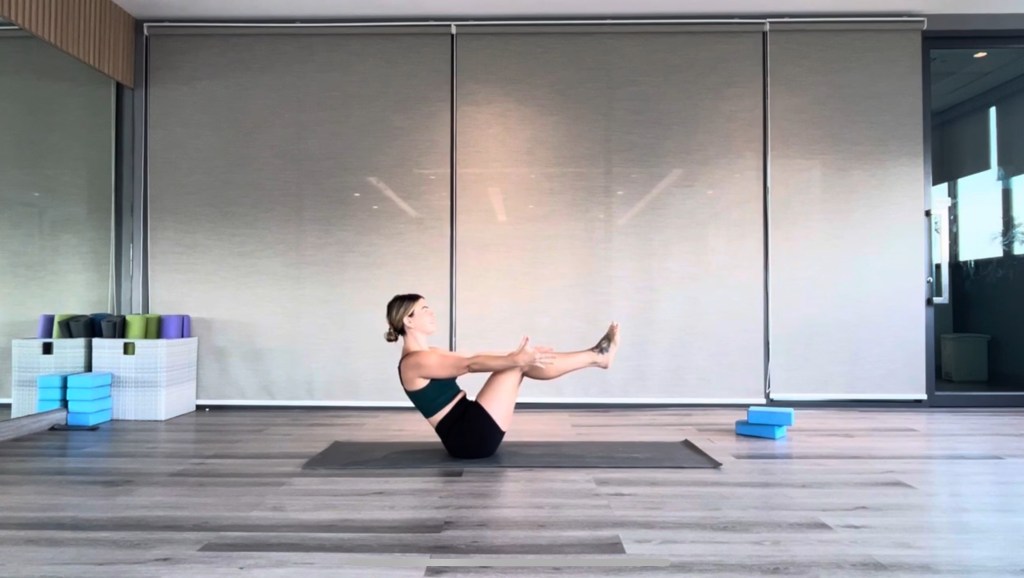
Why the Fusion Matters.
While the benefits of yoga and Pilates are individually profound, their combination can have an incredible impact on your overall physical health. Yoga’s holistic philosophy merges seamlessly with Pilates’ targeted approach, creating a seamless blend of full body strength, flexibility, and mindfulness for a well-rounded physical practice.
The integration of yoga’s full body flexibility and Pilates’ core strength provides a defense against injuries.
This dual approach not only safeguards your physical well-being but also enhances your body’s resilience to the challenges of daily life. As you flow through yoga postures and engage in Pilates exercises, you’re not just working out; you’re on a journey towards ultimate full body physical and mental well-being.


 KNOW YOGA with Jess
Leave a comment